

Weather-Change Fever and Cold: An Ayurvedic First Response
It happens to almost everyone at the same time every year — the weather starts shifting from humid to cool, and within a week, half the office or half the family has a scratchy throat. It's rarely dramatic on day one. A little congestion, a slightly raised temperature, some general heaviness. The mistake most people make is ignoring it for two or three days, assuming it'll pass, until it turns into a full week of feeling awful.
Ayurveda actually pays close attention to exactly this transitional window — the shift between seasons is called Ritusandhi, and it's specifically flagged as a period when the body is more vulnerable simply because it hasn't adjusted yet.
Why This Particular Window Is Risky
Your body spends the monsoon adapted to humidity and moisture. When temperatures start dropping and the air gets drier through September and October, digestion and immunity both need to recalibrate. That adjustment period is when a minor cold, which your body might otherwise fight off in a day, can instead take hold properly. Late-night temperature drops after a warm day are a particularly common trigger — stepping out in the evening without adjusting for the cooler air.
The First 24–48 Hours
The moment you notice the first signs — a mild sore throat, sneezing, that early heaviness in the chest — is the point where a fast, targeted response actually changes how the next week goes.
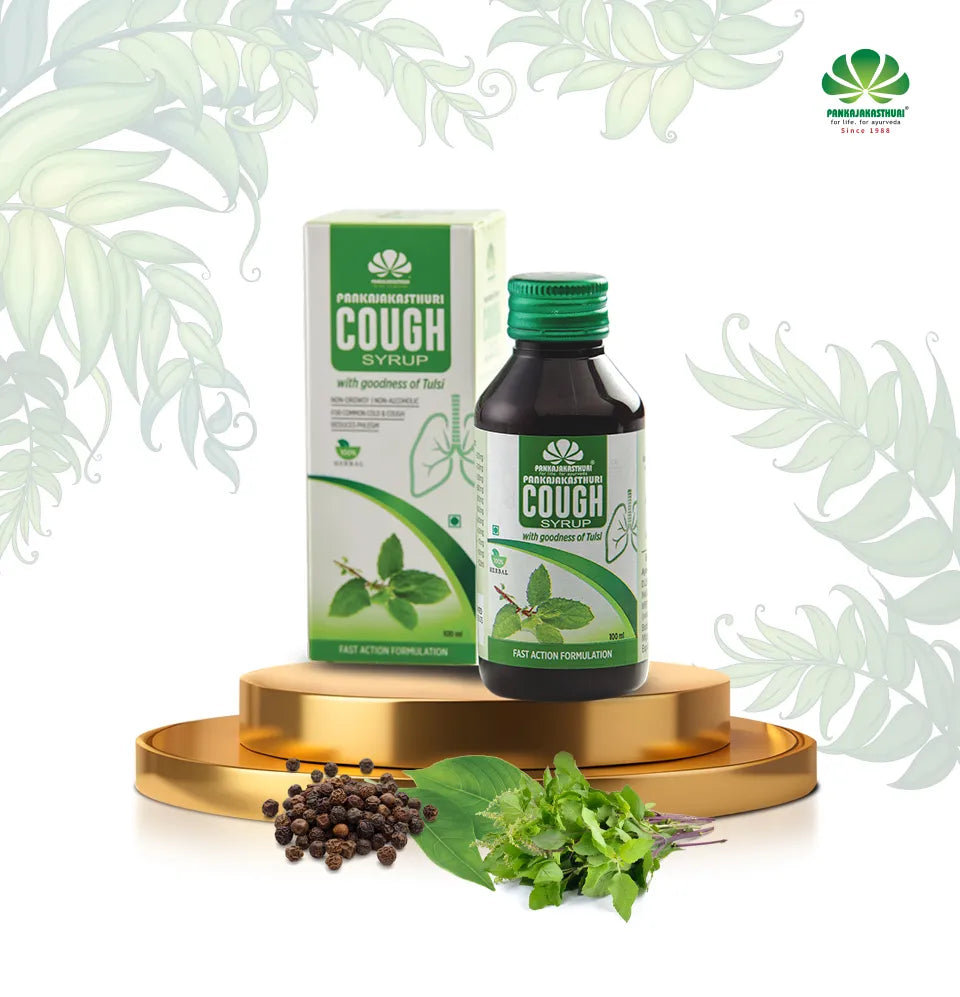
Warm fluids matter more than people give them credit for. Warm water through the day, and if you have access to it, a simple decoction with ginger, tulsi, and black pepper helps loosen early congestion before it settles in properly.
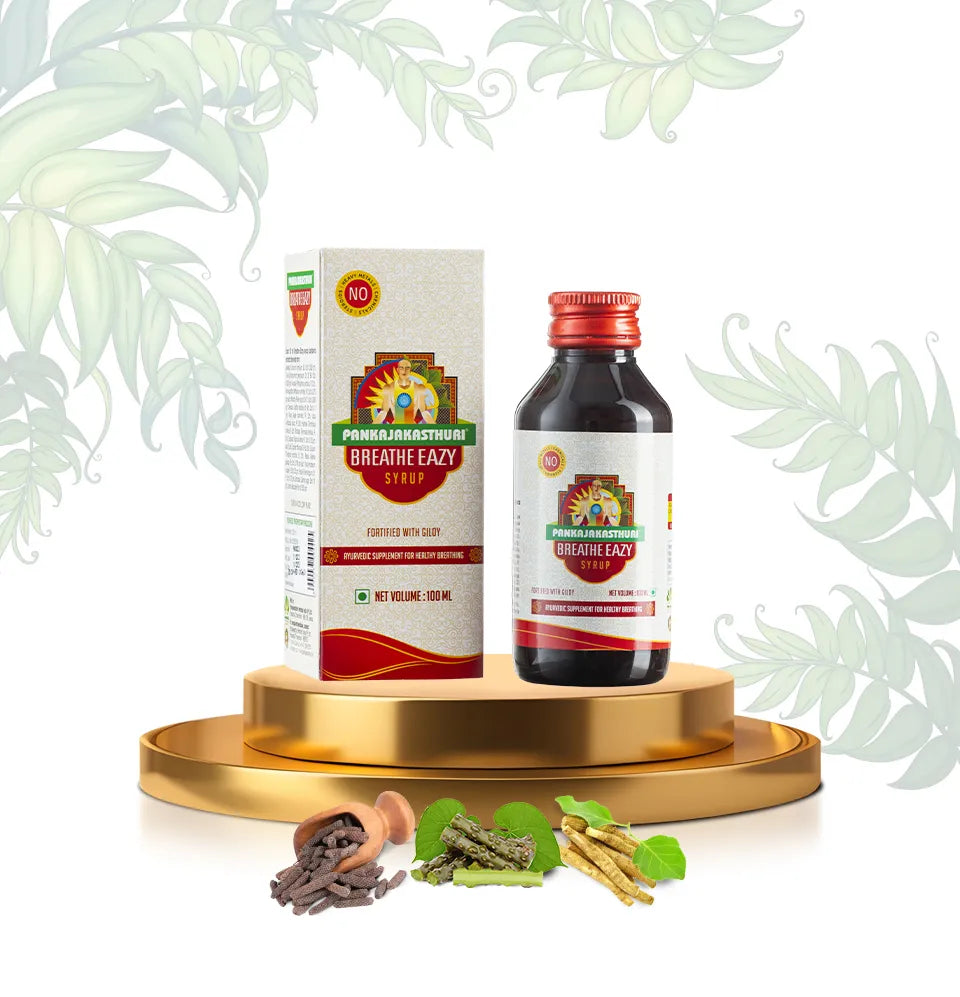
For respiratory symptoms specifically — a developing cough or tightness in the chest — Breathe Eazy Syrup is formulated for exactly this kind of early respiratory discomfort. If you'd rather not deal with a liquid formulation, Breathe Eazy Tablets cover the same ground in tablet form, and Breathe Eazy Granules work well mixed into warm water for people who prefer that format.
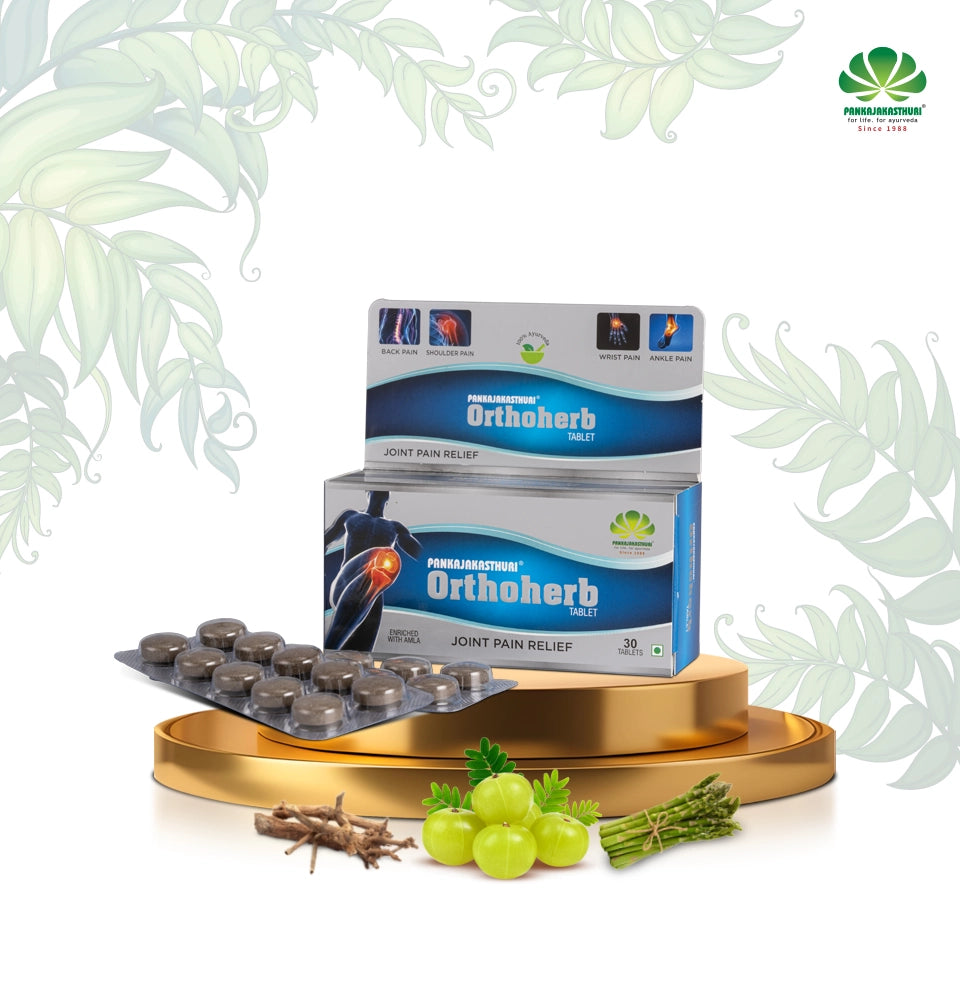
If you know this transition tends to hit you every year, starting Giloy Tablets a week or two before the season typically turns is a preventive step worth considering rather than only reacting once symptoms appear — our broader post-monsoon immunity checklist covers this in more depth.
Rest, Don't Push Through
A common mistake is treating a mild seasonal cold as something to work through. Ayurveda's advice here is straightforward: reduce physical exertion for a day or two at the first sign of symptoms rather than waiting until you're too unwell to avoid it. Pushing through a workout or a full workday at the earliest stage is one of the most reliable ways to turn a two-day cold into a two-week one.
When to See a Doctor Instead
-
Fever above 101°F that doesn't respond to basic rest and fluids within 24 hours
-
Breathing difficulty or persistent chest tightness
-
Symptoms lasting beyond 5 days without improvement
-
Any symptom pattern you don't recognise as your usual seasonal cold
General wellness support is exactly that — general support. It isn't a substitute for medical care once symptoms move beyond a mild, ordinary seasonal cold.
FAQs
Why do I get sick every year when the weather changes?
Ayurveda attributes this to Ritusandhi, the transition between seasons, when the body hasn't yet adjusted to new temperature and humidity levels — making it more susceptible to minor infections.
What's the fastest early response to a developing cold?
Warm fluids, reduced exertion, and targeted respiratory support at the very first symptom — waiting two or three days before responding is usually what turns a mild cold into a prolonged one.
Can I prevent this every year, or only react to it?
Both matter, but prevention — building immunity a couple of weeks before the season typically turns for you — tends to reduce how hard the transition hits.
As the weather cools further into November and December, the same principles carry forward into deeper winter — our guide on preventing cough, cold, and fever this winter picks up where this one leaves off.
Related post


29
Oct