

Health Tips to Prevent Cough, Cold, and Fever This Winter: An Ayurvedic Perspective

Winter season often brings along unwanted visitors: sneezing fits, sore throats, stubborn coughs, and recurring fevers. Almost every household seems to deal with at least one person falling sick during winter.
So why does this happen year after year? And more importantly, how can we protect ourselves naturally without immediately reaching for medicines?
Ayurveda, with its time-tested wisdom, offers simple yet powerful ways to stay healthy during the colder months. Let’s explore how you and your family can enjoy winter while keeping illnesses at bay.
Why Are Cold, Cough, and Fever More Common in Winter?
It’s not just the cold weather itself—it’s how our body responds to seasonal changes.
Impact on Immunity
According to Ayurveda, our digestive and metabolic fire, known as Agni, can become imbalanced during winter. While the body works harder to maintain warmth, immunity may weaken, making us more vulnerable to infections.
How Viruses Thrive
Cold and dry air helps viruses survive longer. Add to that closed windows and more time spent indoors, and infections can easily spread from one person to another.
Lifestyle Changes
In winter, we often drink less water and consume heavier, fried foods. This leads to the accumulation of Ama (toxins) in the body, which Ayurveda considers the root cause of many illnesses.
Common Winter Illnesses to Watch Out For
Understanding early symptoms can help prevent things from getting worse.
-
Cold and Cough: Often begins with a runny nose, nasal congestion, or throat irritation as the body tries to expel irritants.
-
Fever: A natural defense mechanism where the body raises its temperature to fight infection.
-
Early Warning Signs: Heaviness in the head, a hoarse voice, or waking up with a dry throat are signs you shouldn’t ignore. Acting early makes all the difference.
Expert Ayurvedic Tips to Stay Healthy This Winter
Strengthen Immunity Naturally
Focus on building Ojas—the essence of immunity. Include foods like dates, walnuts, almonds, and a small amount of pure ghee in your daily diet.
Dress Smartly
Keeping your neck, chest, head, and ears covered is essential. Ayurveda emphasizes protecting the body from cold air (Vata) to prevent illness.
Stay Hydrated
Sip warm water throughout the day. It keeps your throat clear, aids digestion, and helps flush out toxins.
Ayurvedic Remedies for Common Winter Ailments
Ayurveda aims to balance the body rather than just suppress symptoms.
For the Common Cold
-
Tulsi and Ginger Tea: A powerful combination that helps clear congestion and supports immunity.
-
Nasya (Nasal Oil Therapy): Two drops of warm sesame oil or Anu Tailam in each nostril create a protective barrier against dust, dryness, and infections.
For a Stubborn Cough
-
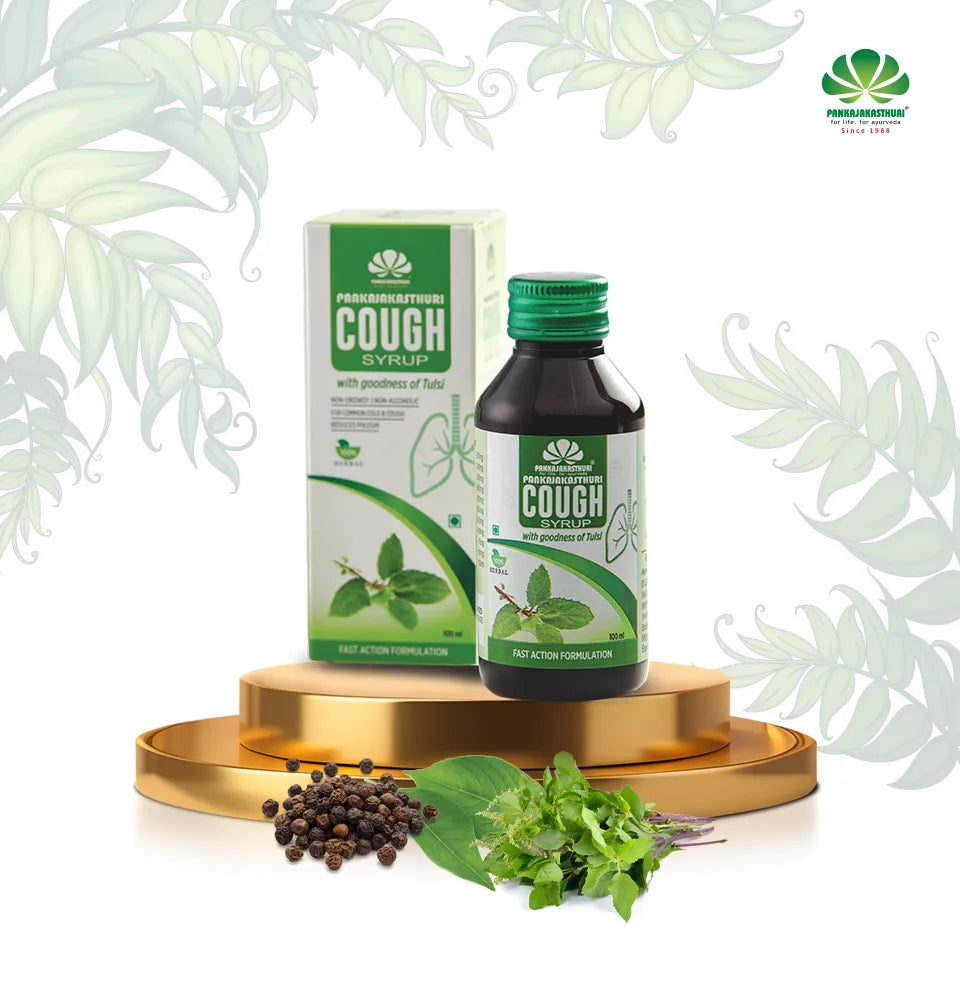
Honey and Black Pepper: Mix a pinch of black pepper powder with raw honey to help loosen mucus.
-
Turmeric Milk: A comforting bedtime drink that reduces throat inflammation and promotes restful sleep.
For Fever
-
Giloy: Known for its immune-boosting properties, Giloy helps reduce fever and supports recovery.
-
Rest and Light Foods: Avoid heavy meals. Choose simple foods like moong dal soup or rice porridge to give your body time to heal.
Simple Home Remedies You Can Try
-
Warm Salt Water Gargle: Helps reduce throat pain and clears infection.
-
Herbal Kwatha: Boil water with ginger, tulsi, cinnamon, and black pepper. Sip warm for immunity support.
-
Steam Inhalation: Inhale steam with eucalyptus oil or ajwain to relieve nasal congestion and sinus pressure.
Winter Diet: What to Eat and What to Avoid
Foods to Include
-
Warm, freshly cooked meals
-
Spices like turmeric, cumin, garlic, and ginger
-
Seasonal fruits like amla, rich in Vitamin C
Foods to Limit
-
Ice-cold drinks
-
Heavy dairy (especially curd at night)
-
Excess sweets and processed foods, which increase Kapha and mucus formation
When Should You See a Doctor?
Home remedies work well, but medical care is important if:
-
Fever stays above 102°F
-
There is chest pain or difficulty breathing
-
Symptoms include severe vomiting or unexplained skin rashes
Timely intervention ensures faster recovery.
Related post

20
Sep

23
Jan