
How Winter Pollution Is Secretly Hurting Your Lungs (A Doctor's Simple Guide)

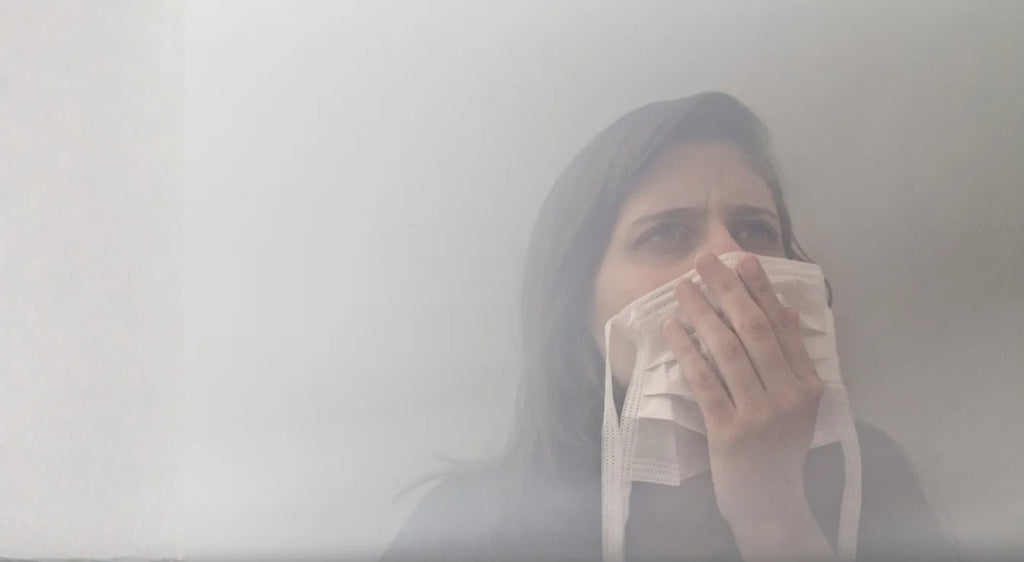
Winter’s back! Time for soft sweaters, bonfire plans, and a hot cup of adrak chai. If only the air quality didn’t drop every year with it. You know the drill. In most North Indian cities, the sky instantly turns murky, your throat starts scratching the moment you step out... it's like an annual ritual of discomfort. Even people who’ve never had a breathing issue are suddenly hacking away.
It’s without a doubt sad to see. Every day in my clinic, I meet small school kids, office-going adults, and aged people—all suffering with the same things: a tight chest, a dry cough that doesn’t prevent it, and getting breathless even after hiking simply one floor. Breathing shouldn’t be this difficult, correct?
Let’s understand the science in short, after which we’ll get to the component that absolutely subjects—what you can do about it.
Causes of Air Pollution: Why Winter Makes Everything Worse
The Science of Smog: Why Winter Air Gets So Bad
Why does the air suddenly turn into a dusty grey soup the moment winter arrives?
It’s not magic — it's just physics being rude.
Cold air in winter is heavy, so it sinks and sits close to the ground. Then a warm layer of air forms above it — basically a giant invisible comforter pressing everything down. And because of this weird upside-down layering (called inversion, but honestly, “nature’s suffocation mode” sounds more accurate), all the smoke from traffic, burning garbage, chulhas, angithis, and factories gets trapped.
Nothing can rise. Nothing can escape. Everything just… hovers.
And the moment the wind decides to go on vacation and fog enters the chat?
Everything simply freezes in place — pollution, dust, smoke, all locked in.
That’s how we get that thick, stubborn, choking smog chilling over our cities for days…and sometimes weeks.
PM2.5: The Real Villain
These tiny troublemakers are the main characters of winter pollution.
How tiny? Smaller than a stand of hair? No — microscopic. Basically invisible ninjas.
Why They’re Dangerous
Their tiny size is exactly what makes them terrifying. They slip right past your nose’s natural filter, glide deep into your lungs, and some even manage to sneak into your bloodstream like undercover agents.
Once they’re in, they mess with everything — breathing, immunity, sleep, heart, skin. You name it, they attack it.
The Wild Comparison
A “safe” PM2.5 level is around 15–20.
But our winter levels?
We casually hit 300, 400, even 600.
That’s literally 20–30 times more pollution than what’s considered healthy.
Honestly, it’s insane.
Effects of Air Pollution On Your Lungs
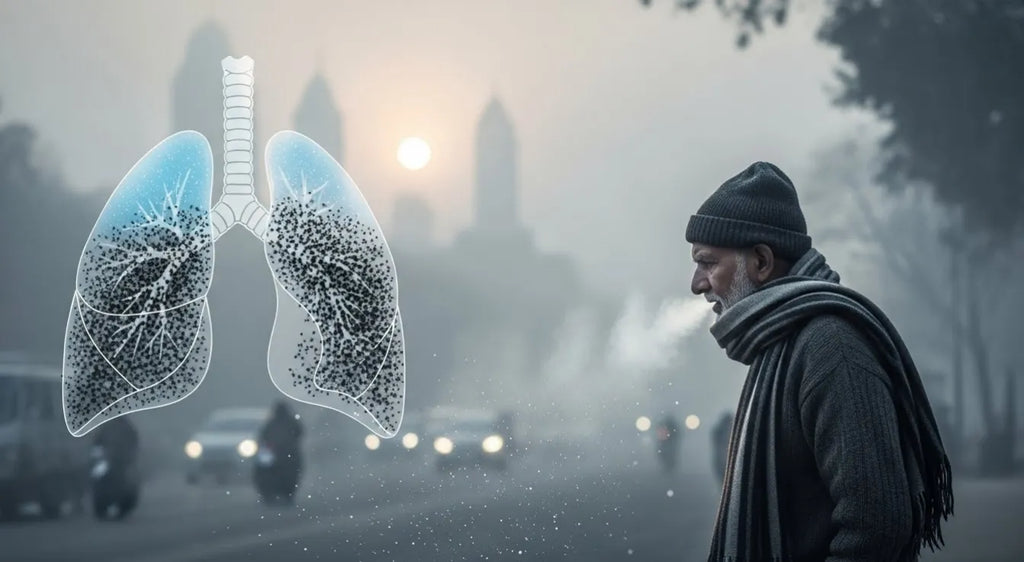
When your lungs get hammered by polluted air every single day, they don’t just “deal with it.” They react — and not in a cute way.
- The respiration tubes swell up and tighten.
- Airflow turns into a warfare, and even normal respiration begins to experience like tough work.
- The protective mucus layer dries out.
This layer is supposed to entice dust and germs, but when it dries, everything simply sticks to the internal of your lungs like glue.
Those tiny hair-like cleaners (cilia) prevent doing their task.
They’re intended to comb out dust and microbes, but pollutants makes them slow. So the junk simply stays inside.
Result?
Smoke, dirt, and toxic particles settle deep in your lungs—24/7—scratching and inflaming your tissues without a wreck. Keep respiration during, and you're placing yourself up for chronic lung disease.
For people managing bronchial asthma, COPD, or any current lung trouble, winter pollution is specially harsh. Their lungs are already suffering, and the seasonal smog just pushes them even tougher. Extra precautions aren’t optional — they’re mandatory.
Common Winter Air Pollution Problems You’ll Feel
- That worrying dry cough that simply won’t leave.
The one which makes you query every lifestyles desire as it continues coming back each morning. - A wheezing sound or a little squeak whilst you inhale.
Your lungs basically trying to send you voice notes of protest. - Feeling drained even after doing almost nothing.
Pollution steals your energy like a silent battery thief. - Sore throat and watery, burning eyes.
The classic winter combo that feels like someone turned up the irritant level for fun. - A general sense of tiredness and low energy.
Because your body is constantly fighting the dirty air — even when you’re just sitting.
Everyday Air Pollution Solutions You Can Actually Use
We can not change the weather, however we can build a robust shield for ourselves! And while modern habits help, even simple practices inspired by ayurvedic treatment for lung disease can give your lungs that extra layer of protection. Here are the habits I genuinely recommend:
- Mask Up! Get an N95 mask and use it whenever you go out on bad air days. It’s your cheapest health insurance and it truly works.
-
Time Your Exercise Right:
Forget the morning walks when the smog is thickest. Exercise after 10–11 am or stick to indoors. -
Hydrate, But Warmly:
Drink at least 8 to 10 glasses of warm water. It’s the easiest way to keep your throat and lungs moist. -
Immunity Tea is Key:
Have tulsi-ginger tea every single day. Seriously. It’s a powerful natural remedy for cough and immunity. -
Steam Clean Your Lungs:
Twice a day, do an easy steam inhalation. Just boil some water, cover your head with a towel, and breathe in the warm steam deeply. You also can upload two drops of eucalyptus oil for added relief. -
The Nasya Shield:
Every morning, apply two drops of Anu Taila or sesame oil (til ka tel) in each nostril. This forms a thin protective layer inside your nose, helping block dust and pollution from entering your system easily. -
Train Your Lungs (Pranayama):
Make it a routine to spend 10 minutes daily doing breathing exercise. For example Anulom-Vilom (alternate nostril breathing). These helps you to effectively handle poor air. -
Gargle Routine:
Gargle with warm salt water morning and night. A simple technique to clear your throat. -
Eat Smart:
Make sure you eat warm and light meals—like soups, khichdi, or dal. Avoid fried food, cold drinks, ice-cream, and stay away from milk or sweets at night.
When You Must Head to the Doctor:
Even with precautions, some situations want quick attention. Reach out to the nearest clinic immediately at once if you experience symptoms like shortness of breath, even whilst you’re resting.
- Feeling breathless even while sitting quietly.
- Sudden heavy feeling in your chest along with chest pain.
- Your lips or fingers start turning blue.
- You have a high temperature fever with yellow or green phlegm.
- Your cough is not improving even after 4–5 days of home care.
Pollution in winter is a tough reality, but we don't have to surrender to it. By following these small precautions into your day, our lungs can stay much protected.
Enjoy the winter, stay warm, drink your chai, but promise me you will take care of your breath too!
FAQs
Related post


20
Sep


23
Jan